
Violence against women and domestic violence
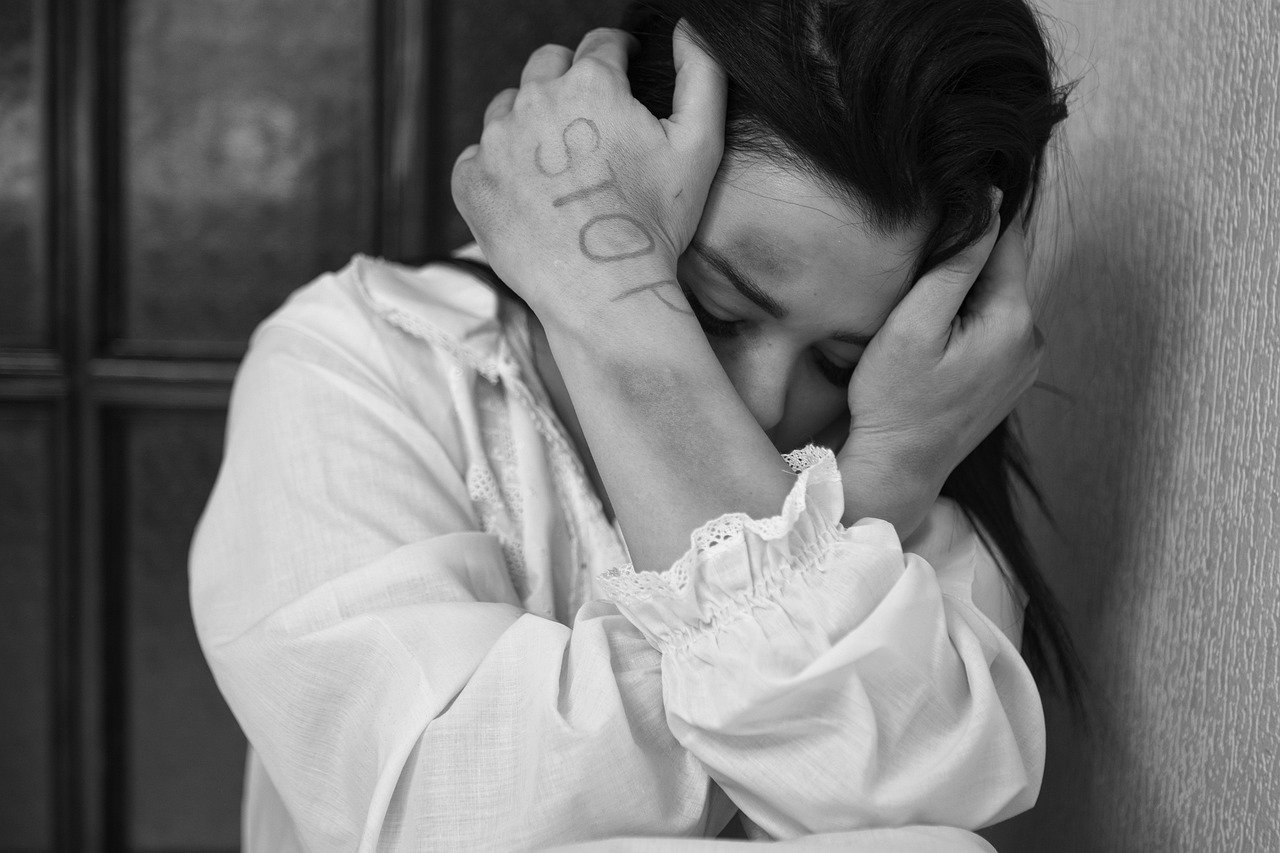
Ministers approved conclusions on violence against women and domestic violence, with a focus on prevention, early detection and intervention. The Council highlighted the crucial role of professionals and bystanders in supporting victims and breaking the cycle of violence, and called for awareness raising and education among the general population about how best to react or intervene in such cases.
Today, we have agreed to strengthen prevention, early detection and intervention against gender-based violence. Each of us has a role to play in breaking the silence and stopping violence against women and domestic violence. Bystanders and professionals can make a significant difference in the lives of victims and help prevent future cases of violence.
Magnus Heunicke, Danish Minister for Environment and Gender Equality
Specifically, the Council’s conclusions call for:
- improved training of workers in relevant fields such as healthcare and social services
- measures to protect and support children affected by domestic violence
- better data collection on the prevalence and consequences of violence against women
- efforts to further engage men and boys in fostering gender equality
- inclusion of measures for prevention, early detection and intervention in the Commission’s upcoming Gender Equality Strategy post-2025
- Violence against women and domestic violence: EU equality ministers call for stronger focus on prevention, early detection and intervention (press release)
- Violence against women and domestic violence: prevention, early detection and intervention (draft Council conclusions)
- EU measures to end violence against women (background information)
- Gender equality (background information)
- Watch the public session
Combating hate, discrimination and violence against LGBTIQ persons
Ministers exchanged views on ways to combat hate, discrimination and violence against LGBTIQ persons.They highlighted existing best practices in their countries and suggested additional actions that could be taken at EU level to ensure that LGBTIQ persons and families could live freely and openly, including across borders.
- Combating hate, discrimination and violence against LGBTIQ persons (steering note)
- Non-discrimination (background information)
- LGBTIQ+ Equality Strategy 2026-2030 (Commission communication)
- Watch the public session
Social inclusion of persons with disabilities (in public session)
Ministers approved conclusions on the social inclusion of persons with disabilities through the promotion of independent living.
The Danish EU Presidency is working for a stronger Europe — and a stronger Europe depends on strong, caring and inclusive societies that support all citizens, including persons with disabilities. We are deeply committed to inclusion of persons with disabilities through the promotion of independent living and combatting discrimination. We have come a long way, but we still have work to do. The discussions and results achieved today are important steps towards improving the lives of persons with disabilities – and together we will continue this important work.
Sophie Hæstorp Andersen, Danish Minister for Social Affairs and Housing
In its conclusions, the Council calls for further action to be taken at national and EU level, including:
- promoting access to affordable person-centred support services and ensuring that services for the general population are accessible, affordable, inclusive and adaptable for persons with disabilities
- improving the availability of accessible, affordable and non-segregated places of residence
- promoting accessible information and communication technologies and services, including through the development of digital skills
- systematic disability mainstreaming in all EU policies
- continuing to focus on independent living in the second half (2025–2030) of the Strategy for the Rights of Persons with Disabilities
- Social inclusion of persons with disabilities through the promotion of independent living (draft Council conclusions)
- Watch the public session
Advancing disability rights in the EU
A discussion took place on advancing disability rights in the EU, focusing on challenges, progress and future directions.
Ministers shared their views on the most important measures and policy tools to further promote the rights of persons with disabilities, and discussed the areas in which challenges remain most pressing.
They also outlined the key priorities for the second half (2025–2030) of the Strategy for the Rights of Persons with Disabilities, and discussed ways in which the strategy could more effectively support national reforms and the implementation of disability-related legislation and policies.
- Advancing disability rights in the EU: challenges, progress and future directions (steering note)
- Union of Equality: Strategy for the Rights of Persons with Disabilities 2021-2030
- Accessibility to products and services for people with a disability (background information)
- Watch the public session
Other business
Under ‘any other business’, the following topics were raised:
- The Danish presidency invited Carlien Scheele, Director of the European Institute for Gender Equality (EIGE), to give a presentation on the Gender Equality Index, with a focus on gender stereotypes.
- Gender Equality Index
- The presidency provided an overview of recent events, including the informal meeting of employment and social affairs ministers that took place in July 2025.
- Hungary, supported by Cyprus, Germany, Greece, Italy, Poland, Slovakia, Slovenia and Spain, shared information about an initiative for a European day of sign languages.
- Initiative for a European Day of Sign Languages
- The Commission presented relevant elements of Commissioner Lahbib’s annual report on simplification, enforcement and implementation.
- Annual report on simplification, implementation and enforcement
- Disability in the EU: facts and figures (infographic)
Informal lunch debate
Over lunch, ministers discussed measures that could be taken at EU level to combat sexual violence and promote consent in sexual relationships.