Sun. Oct 4th, 2026

CHINA

LATEST NEWS

EU and China discuss biodiversity and pollution ahead of global talks

EU Commissioner Jessika Roswall and China’s Ecology and Environment Minister Huang Runqiu co-chaired the 11th EU-China Environment Policy Dialogue, focusing on biodiversity, plastic pollution, chemical pollution and environmental multilateralism. The talks addressed implementation of the Kunming-Montreal Global Biodiversity Framework, the Global Plastics Treaty, PFAS pollution and coordination ahead of upcoming international meetings.

Read More »
Kaja KALLAS (High Representative of the EU for Foreign Affairs and Security Policy)

Main results of the EU Foreign Affairs Council on 15 June 2026

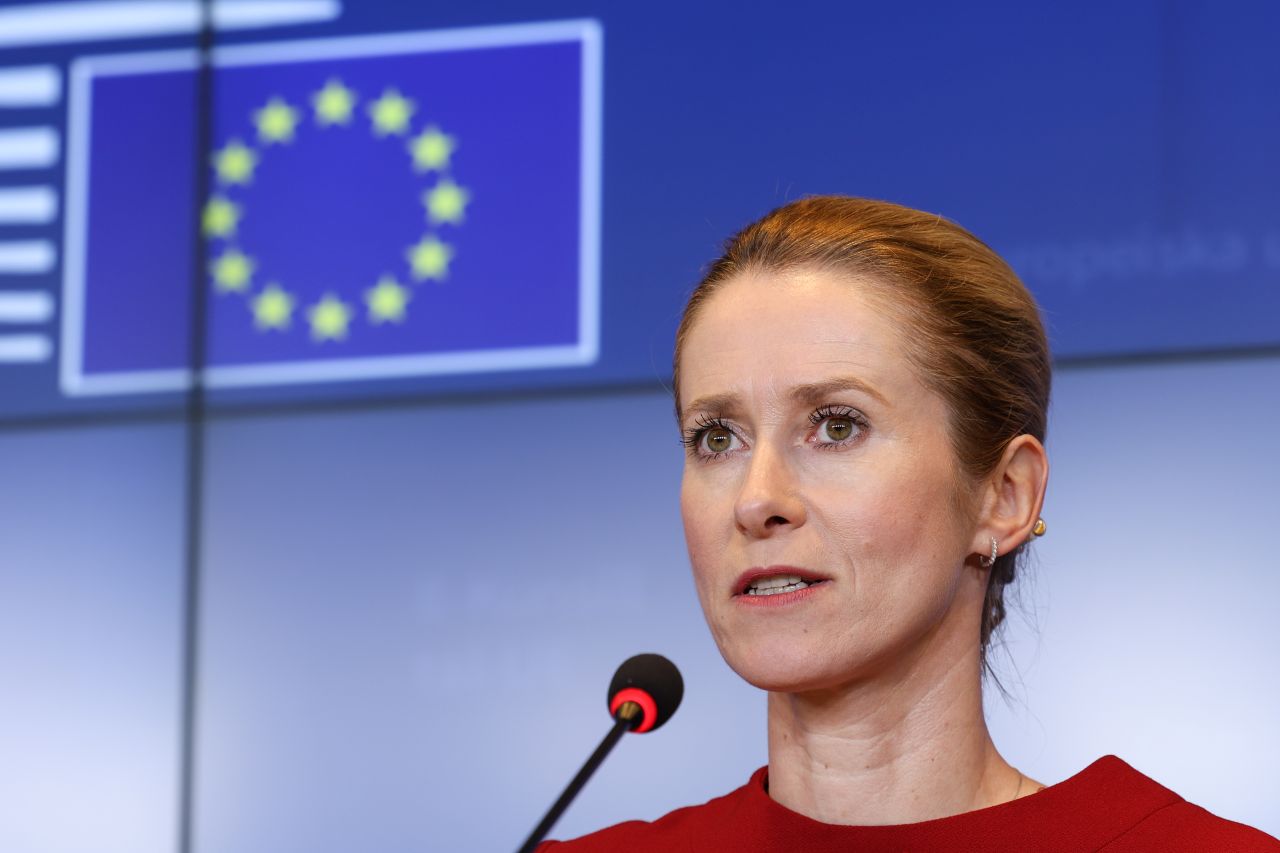
EU foreign affairs ministers discussed Armenia’s post-election resilience, continued support for Ukraine, new Russia-related sanctions, and a broad Middle East agenda covering Iran, Lebanon, Gaza and the West Bank. The Council also reviewed EU-China relations ahead of the European Council, with Kaja Kallas warning over trade dependencies, critical raw materials and Beijing’s role as an enabler of Russia’s war against Ukraine.

Read More »

NATO’s multinational Forward Land Forces (FLF) start operations in Finland and Sweden

NATO’s newest multinational Forward Land Forces (FLF) began operations in Finland and Sweden on Saturday (6 June 2026). Led by framework nation Sweden, FLF Finland will enhance deterrence and the defence on NATO’s northeastern flank and contribute to the security of the Arctic and the High North. FLF Finland is now one of nine multinational Forward Land Forces established gradually since 2017 along the Alliance’s eastern flank.

Read More »
china, flag, export lines, technology, consumer goods, rare earths

China codifies outbound investment push, raising stakes for EU and German screening

China’s new outbound investment regulation presents Beijing’s overseas expansion as market-driven, but the Chinese original makes clear that it will be managed through a national-security lens, whole-process supervision, filing and capital-registration requirements, and stronger state protection of Chinese investors abroad. For Europe — and especially Germany — this could mean more structured Chinese investment in strategic supply chains, infrastructure, clean tech and industrial assets, alongside sharper Chinese responses to EU

Read More »
illustration, main players, cyber warfare, cyber defense

The algorithmic vanguard of transatlantic defence: shifting protocols of hybrid warfare

A profound transformation is reshaping the global security landscape as traditional military-industrial frameworks give way to computational sovereignty. Driven by transatlantic tech entrepreneurs, venture capitalists, and state planners, this shift is rewriting the protocols of hybrid warfare. By combining AI, autonomous edge systems, and low-Earth orbit satellite constellations, these actors are moving strategic advantage from legacy defence primes toward agile, software-defined architectures. Our report analyses the projects, actors, and paradigms

Read More »
Director GCHQ Anne Keast-Butler delivered the first Annual Lecture at Bletchley Park.

From seabed to cyberspace: GCHQ exposes Russian and Chinese escalating hybrid warfare

At her inaugural GCHQ annual lecture at Bletchley Park, Director Anne Keast-Butler warned of a “new era of radical uncertainty,” exposing Russia’s physical-digital sabotage campaigns across Europe and China’s closing technological gap. Blurring the lines between peace and war, these state-backed hybrid threat vectors demand an urgent, machine-speed mobilization of Western collective defense .

Read More »

China and Germany test economic “coopetition” in emerging fields

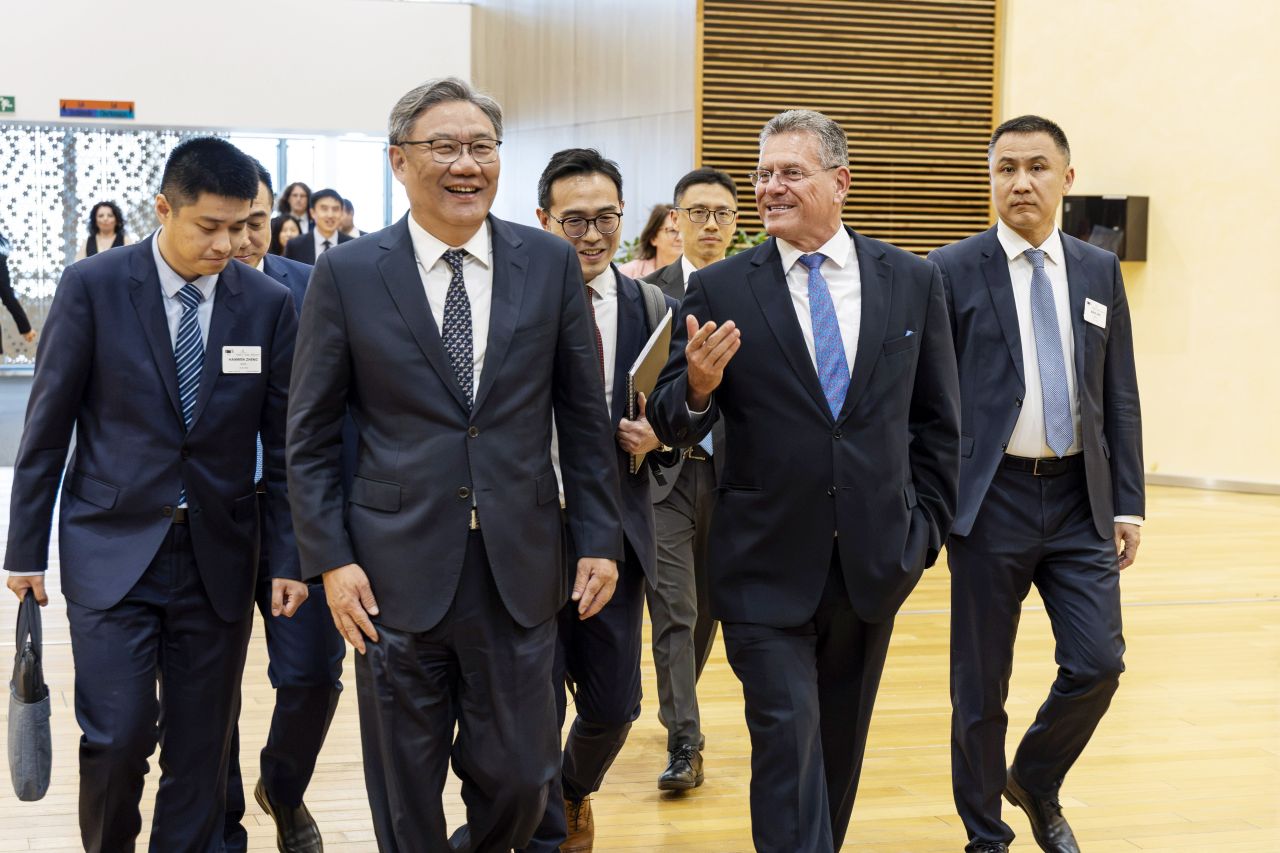
China and Germany are trying to keep their economic relationship stable while redefining the terms of competition. Beijing’s readout highlights cooperation, complementarity and new opportunities in emerging sectors, while Berlin stresses fair conditions and mutual benefit — signalling a pragmatic search for “coopetition” between two major trading partners whose industries remain deeply connected but increasingly exposed to strategic rivalry.

Read More »

China and Serbia build strategic corridor inside EU enlargement space

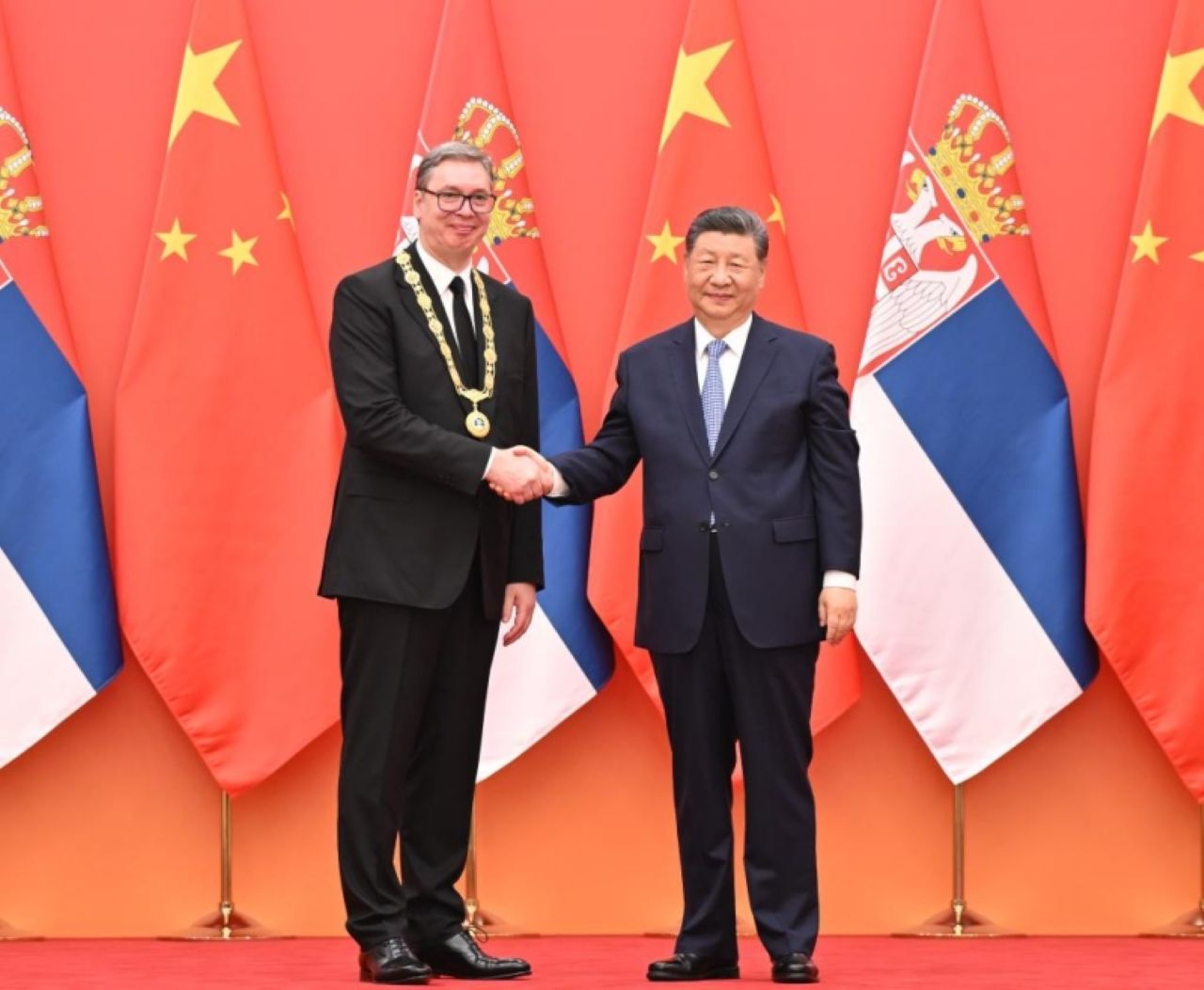
Serbia and China have expanded their strategic partnership through a broad package of political, security, Belt and Road, AI, supply-chain and infrastructure agreements signed during President Aleksandar Vučić’s visit to Beijing. The deal confirms Serbia’s deepening pivot towards China as Russia’s regional role weakens, while raising EU concerns over sanctions circumvention risks, Chinese security influence, surveillance technology, industrial dependencies and Belgrade’s widening divergence from EU foreign-policy alignment.

Read More »
Chinese President Xi Jinping holds a welcome ceremony for Russian President Vladimir Putin in front of Chinese soldiers.

Beyond the protocol: What Xi and Putin really discussed in Beijing

China and Russia agreed to extend their Treaty of Good-Neighbourliness and Friendly Cooperation, deepen strategic coordination and expand cooperation in trade, energy, technology, education and global governance. Xi Jinping and Vladimir Putin framed the partnership as a stabilising force in a changing international order and signed or announced multiple bilateral documents.

Read More »

Foreign investments in sensitive sectors: MEPs approve mandatory screening

On Tuesday, Parliament approved new EU rules for the screening of foreign investments to prevent security risks. With 508 votes in favour, 64 against and 90 abstentions, MEPs gave their green light to an agreement with EU member states on the mandatory screening of foreign investments in sensitive sectors such as defence, semiconductors, artificial intelligence, critical raw materials and financial services, in order to identify and address potential security or

Read More »
illustration President Putin, President Xi, policy issues

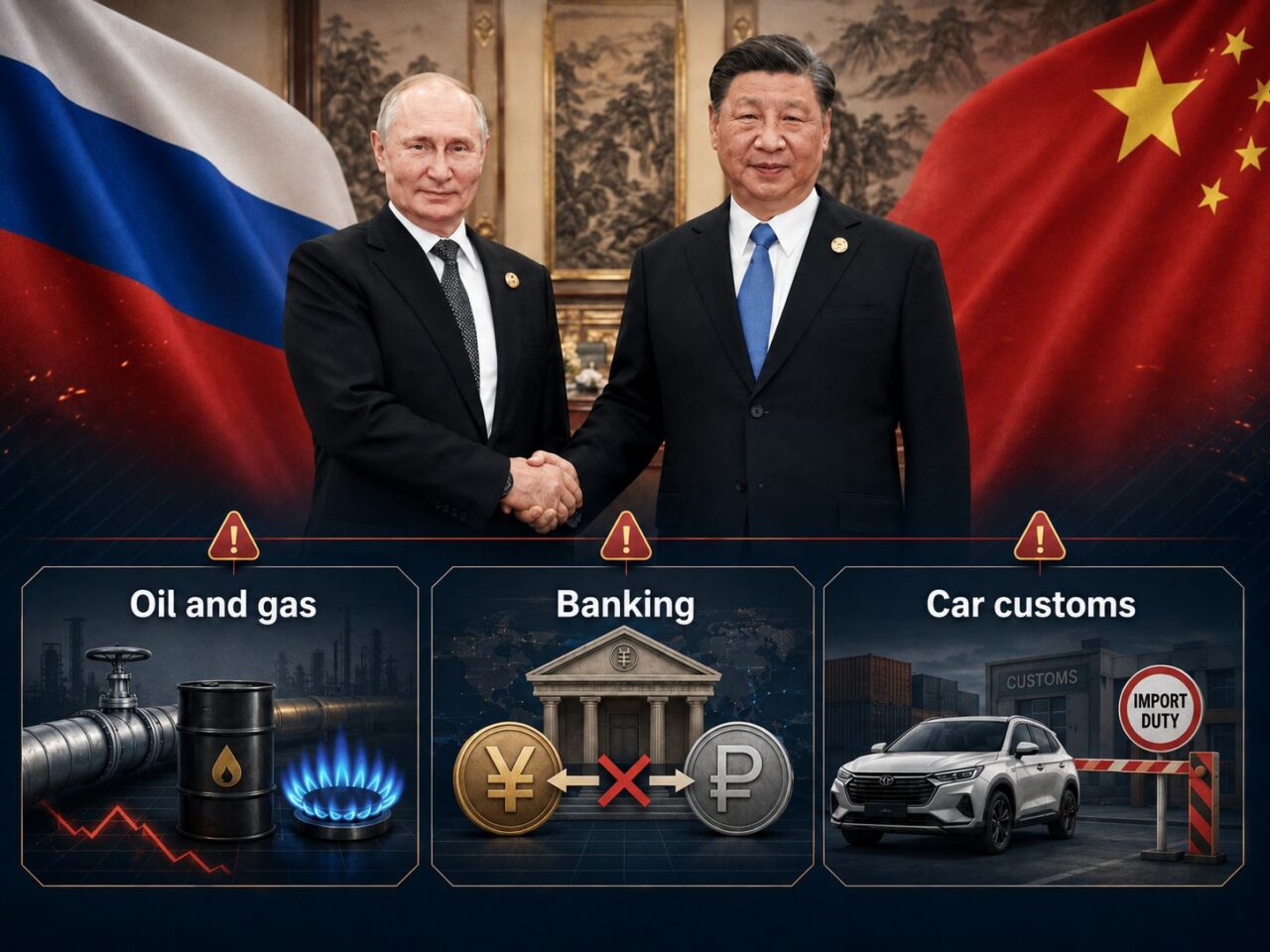
China–Russia trade boom cools as Beijing raises the price of partnership

After three years of sanctions-driven expansion, China–Russia trade is losing momentum. Energy still anchors Moscow’s surplus, but weaker Russian demand, tariff barriers, payment bottlenecks and secondary-sanctions risks are exposing an increasingly asymmetric partnership in which Beijing holds the stronger hand ahead of Putin’s China visit.

Read More »
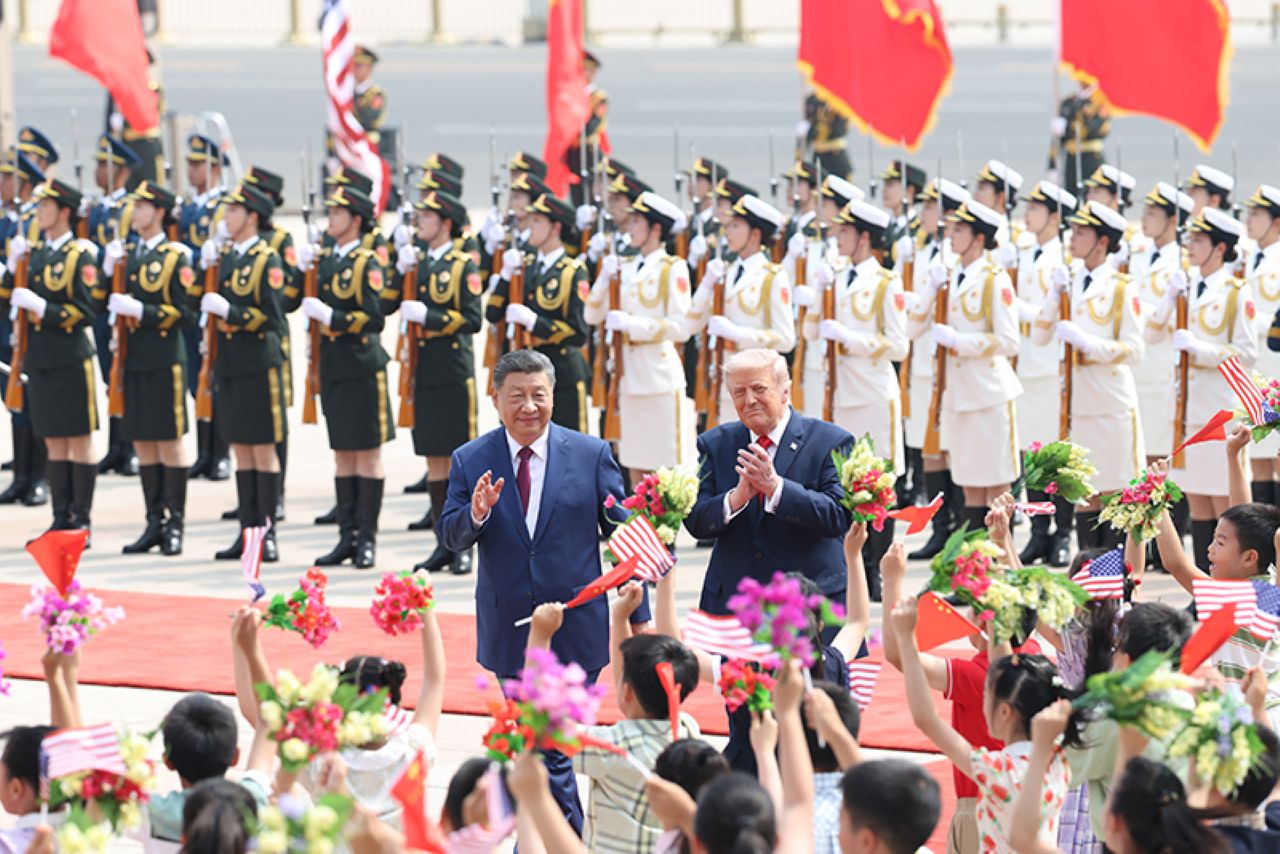
Presidents Xi and Trump at a welcoming ceremony for Trump at the East Gate Square outside the Great Hall of the People.

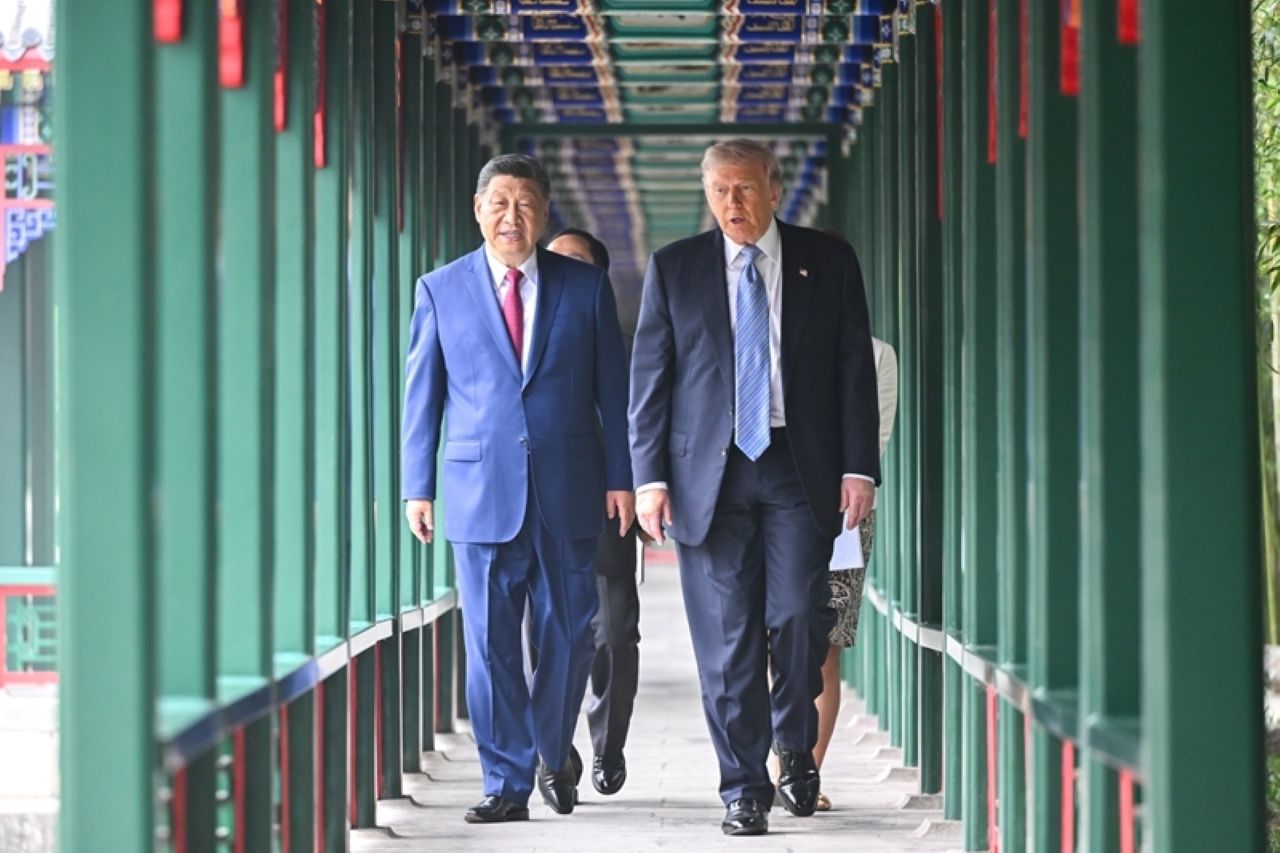
Xi invokes “Thucydides Trap” as Beijing and Washington seek strategic reset

Chinese President Xi Jinping used the concept of the “Thucydides Trap” during talks with U.S. President Donald Trump in Beijing, framing the relationship as a historic test of whether a rising and an established superpower can avoid confrontation. The summit produced a new formula for “constructive strategic stability,” positive trade signals, and renewed communication channels, while Taiwan remained the central red-line issue in bilateral relations.

Read More »

Rubio frames China trip as strategic management of systemic rivalry

U.S. Secretary of State Marco Rubio described China as both the United States’ “top geopolitical challenge” and its most important bilateral relationship to manage, ahead of high-level talks in Beijing involving President Donald Trump, senior cabinet officials, and leading U.S. business executives. In an interview with Fox News host Sean Hannity aboard Air Force One, Rubio stressed that Washington’s approach is based on “America First” national-interest realism, arguing that all

Read More »

How Xi prepares for high-stakes Beijing summit amid global tensions – state media

Chinese state media has portrayed the upcoming Trump–Xi summit in Beijing as a pivotal test for stabilising the world’s most consequential bilateral relationship amid escalating tensions over Taiwan, tariffs, technology restrictions, and the Iran conflict. U.S. President Donald Trump and Chinese President Xi Jinping are scheduled to meet in Beijing on 14–15 May 2026, following Trump’s arrival on 13 May for his first visit to China since returning to office.

Read More »

EU, Brazil and China launch coalition for carbon markets’ integrity and effectiveness

The European Union, Brazil and China have officially launched the Open Coalition on Compliance Carbon Markets to strengthen international cooperation on carbon pricing and emissions trading systems. The initiative aims to improve transparency, integrity and interoperability across carbon markets worldwide, while reinforcing global commitment to the Paris Agreement and climate neutrality goals.

Read More »

G7 trade ministers push joint response to economic coercion and critical mineral dependencies

G7 trade ministers pledged deeper coordination against non-market policies, economic coercion, and strategic supply-chain vulnerabilities during their Paris meeting under the French presidency. The communiqué highlights growing concern over critical mineral dependencies, state-backed industrial distortions, and technology leakage, while calling for WTO reform, stronger e-commerce oversight, and new instruments to secure resilient supply chains.

Read More »